Author Archive

Hold the Syrup: 12 Savory Breakfasts

Posted by on Wednesday May 22nd, 2013

Monday’s post about a sweet brunch main dish and the uncharacteristic fact that I served such a dish to friends reminded me that if you, like me, tend to order the fried eggs over the raspberry-almond pancakes when you head out to brunch, you might need to be reminded of some other options.

Brunch has always been one of my favorite meals to host. People are easy to please at brunch, and no one expects anything fancy. Plus, there’s an end time, and friends either bounce, heading off to the rest of their Sunday activities, or you wind up doing something fun (in my world, that’s frisbee!) all together. (Here are my tips for hosting a successful brunch.)

And so what follows are a dozen of the best savory brunch mains you can cook up for groups large and small. (Note that this is not a baker’s dozen–that would be too sweet.)

**Hold the Syrup: 12 Savory Breakfasts**

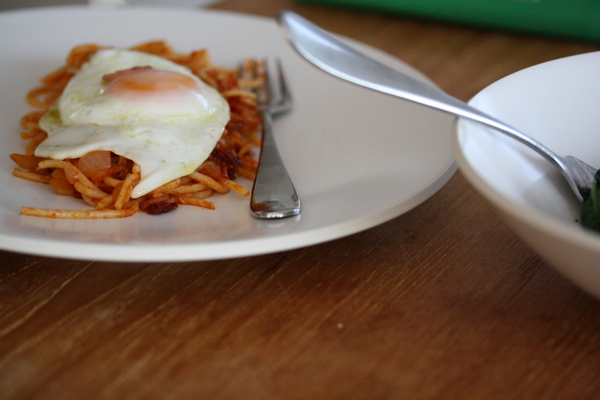
1. Shakin’ Hash Browns. The ultimate in potato breakfasts, a special two-part process turns red potatoes into these crusty baked hash browns that almost seem like they’ve been fried.

2. Sweet Potato and Caramelized Onion Frittata. Part of one of my favorite brunches I’ve ever made, this frittata is great for a crowd because you can take care of roasting sweet potatoes and caramelizing onions in advance and then make the eggs just a bit before guests arrive.

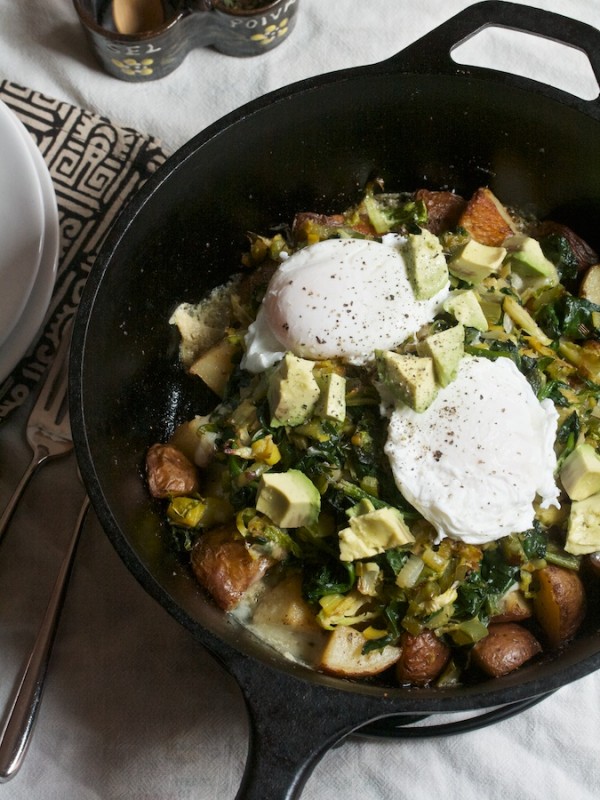
3. Crispy Potatoes with Baked Eggs and Pesto Yogurt. A hash brown and egg mixed skillet that charms even the most cynical brunch-goers, this classic combo gets topped with a light green dollop of pesto yogurt.

4. Homemade Baked Beans and Toast. If your tastes veer towards the British, you’ll be happy to know that this dish of baked beans could be part of a complete English breakfast. Or, you could skip everything and just serve these beans with good toast. They’re also a prime contender when you’re craving breakfast for dinner.

Yesterday, in an uncharacteristic move, I served a pair of French toast dishes for brunch. I made two pans of baked blueberry and strawberry French toast, both rich with half and half and butter. Then I made a third pan of dairy-free baked French toast, that one rich with peanut butter and flavorful with bites of brown sugar-crusted banana. Surprisingly, the banana-peanut butter combo was the biggest hit, and friends gobbled it up alongside slices of bacon, roasted potatoes with homemade tomato chutney, and bloody Marys.

Though I’ve long advocated baked French toast as a brunch staple, I rarely serve platters of the rich, carby main. This is because I don’t love sweet breakfasts and brunches, and the host has to eat too.

But yesterday’s gloom and a desire for ease saw me running home from the supermarket two hours before friends were due to arrive with loaves of fluffy Portuguese white bread ready to be turned into French toast. I loved serving the two variations, and though my oven suffered from being overstuffed with pans of potatoes, bacon, and the French toast, brunch came together and we had a blast.

Also, I though I’d mention that I had never made my own bloody Marys before yesterday. But I’m one hundred percent stirring them together for all future brunches. (I followed Ina’s recipe.) Do you have a signature bloody Mary ingredient?

Kitchen Stuff: The Mini Food Processor

Posted by on Friday May 17th, 2013

In a small kitchen, you don’t need a lot of equipment to cook great food. Still, you do need some pots,pans, utensils, and dishes–obviously. In the BGSK book, you’ll find a bare bones list of necessary equipment, but I’ve long wanted to bring you a similar resource on the web.

So we’re going one by one, stocking up our virtual pantries and maybe our real ones too.

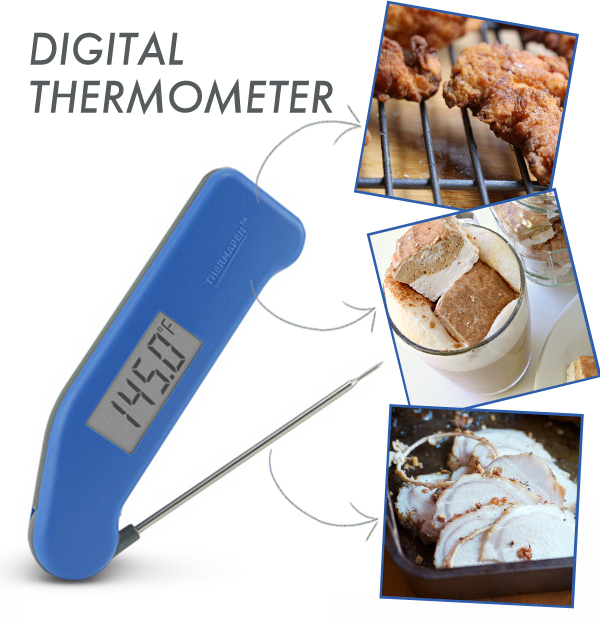
Today I want to talk about the mini food processor. I own a Cuisinart Mini-Prep Food Processor. It’s one of the first gifts Alex ever bought me, and it’s a workhorse. I use it almost daily, primarily for all these dips, from pesto to homemade mayonaise. It would be worth it alone for making homemade hummus. I have, however, even pulsed together a smoothie in this guy.

The real reason I use the mini prep all the time is because its footprint is tiny. Even though I don’t have much counter space, I leave the mini prep out all the time. It’s cute. It inspires me to blend things. And there’s no lugging a blender down from the top shelf when I’m ready to go.

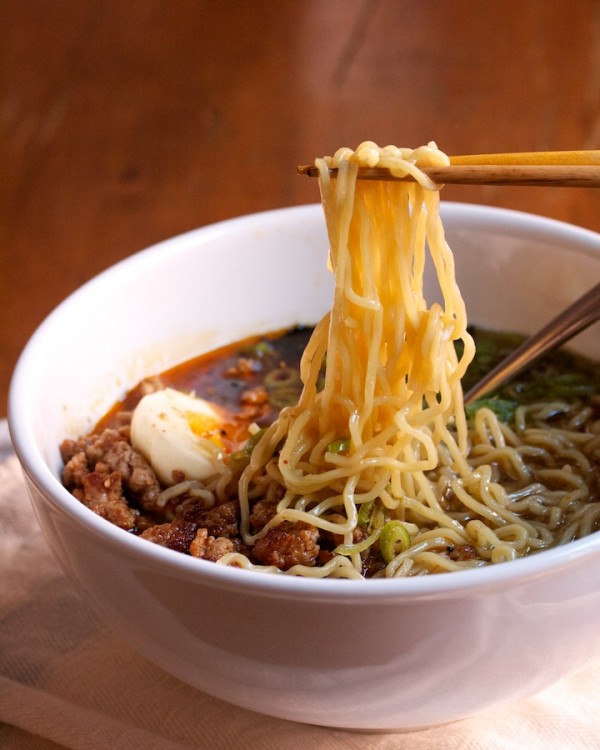
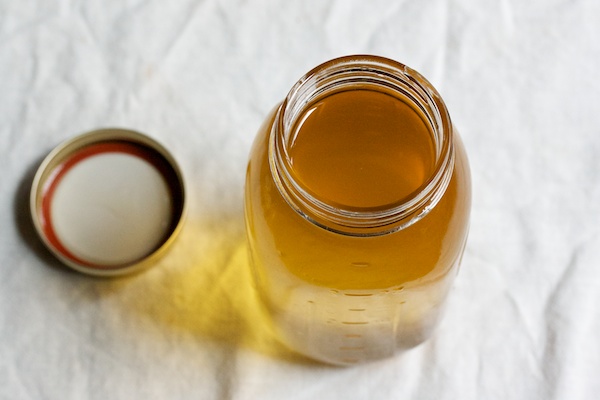
In case you don’t believe me that you’ll use this guy for everything, here’s a sampling of dishes you’ll make in your mini prep (pictured above, top to bottom):

Around the Web: The Essential Italian Recipes and a Lobster Claw Bloody Mary — Here’s what’s going on in my corner of the web today–I’ve been focusing on eating tons of veggies and whole grains this week, and it seems to be evident in my choice of links.

The personal is political when we’re making a choice between climate change and cheeseburgers.

The Lobster Claw Bloody Mary from Lobster Joint, which Gothamist says is one of the best Bloody Marys in the city, will be mine tonight.

Winnie of Healthy Green Kitchen wrote a thoughtful, thought-provoking open letter to everyone who eats about dieting, diets, and eating what feels right to you.

And, a little more nutrition  from Summer Tomato, about how to build a healthy plate.

So you don’t have to be a slave to search results, I asked a panel of bloggers, culinary historians, and cookbook authors to pick 25 Italian recipes that really work for First We Feast.

Easy Hazelnut Chocolate Mousse

Posted by on Tuesday May 14th, 2013

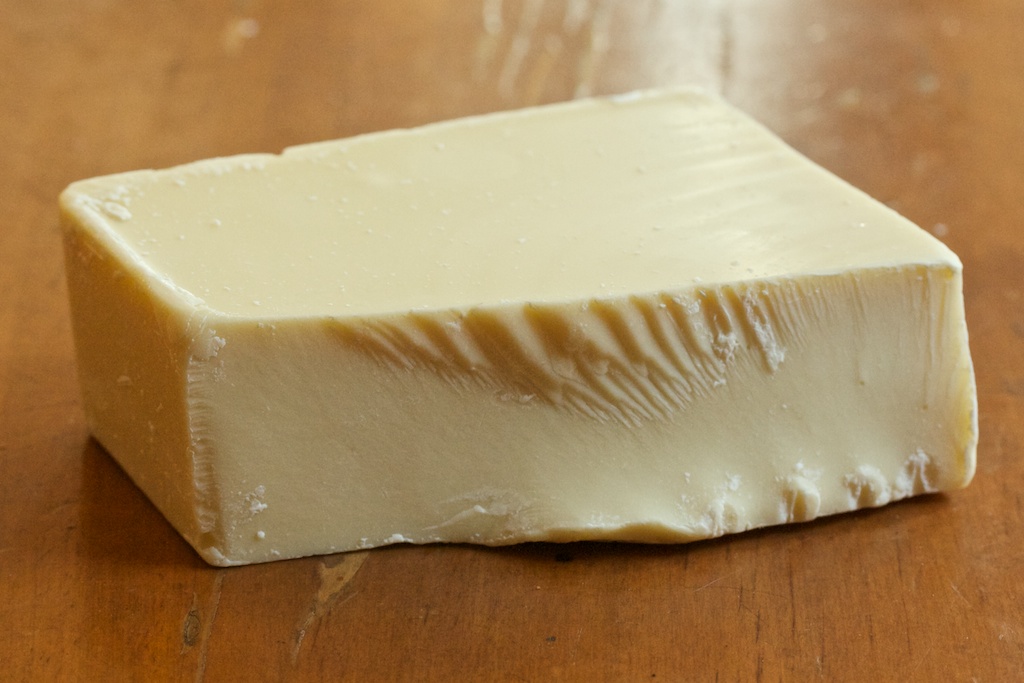
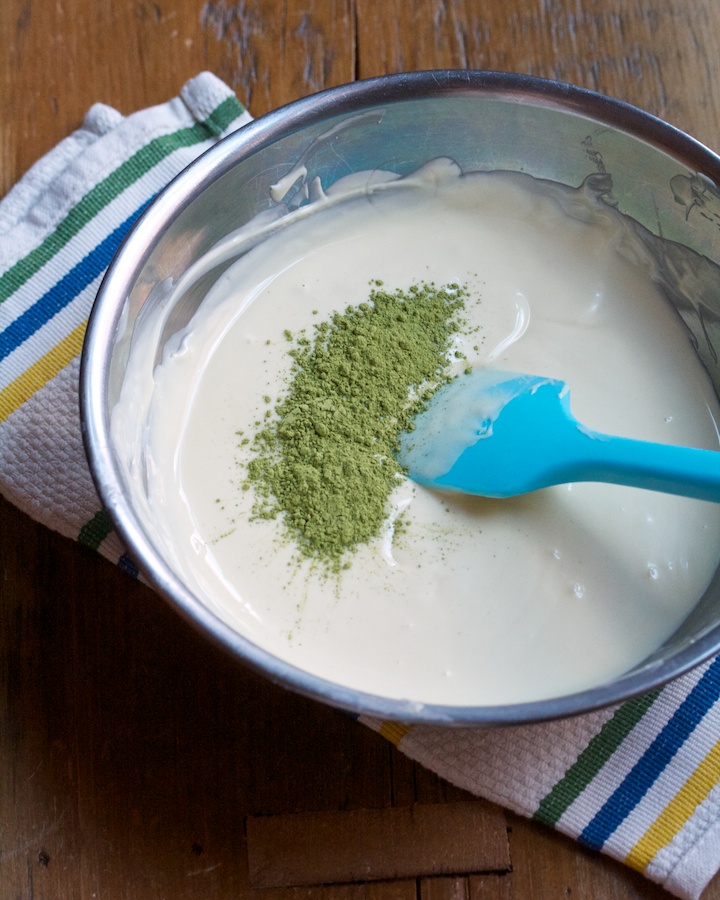
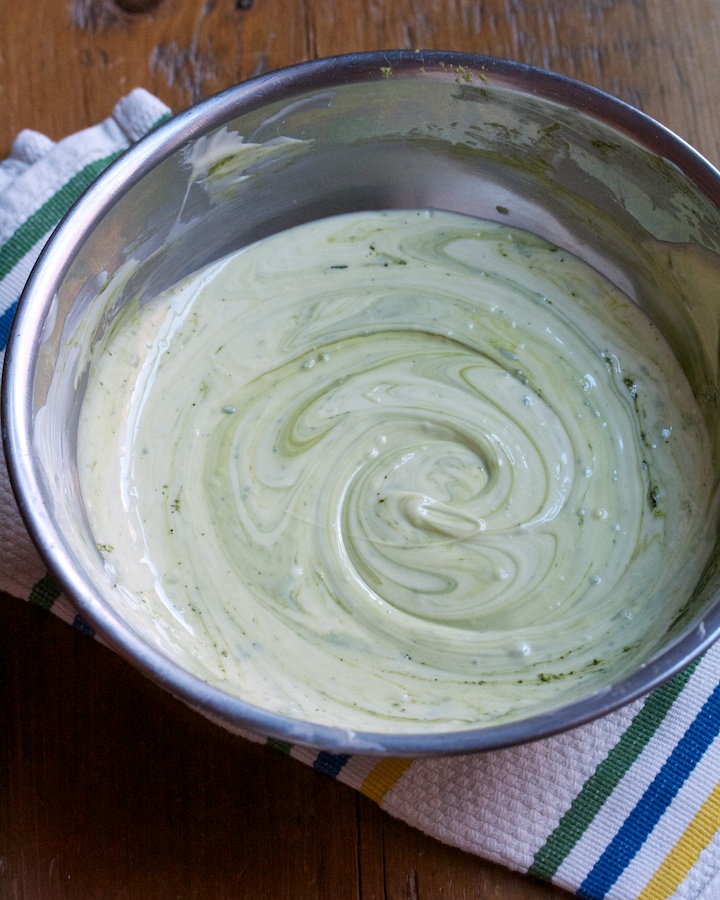
I know it’s first thing in the morning. But I want to talk about booze. No, not vodka, not tequila, and not gin. Something sweeter and nuttier. Maybe more like breakfast? Or really, dessert. It’s Frangelico, a hazelnut-flavored liquor that’s about to take my chocolate mousse to the next level.

But first, let’s go way back.

Years ago, I interned in the test kitchen of a famous food personality. As the only non-professional chef in the kitchen, I spent my days feeling like Amelia Bedelia, pouring salt in the sugar jar and spilling sugar on the floor.

Now, there is a lot of know-how involved in being a home cook, like understanding how to improvise meals from an empty pantry or what it means to stretch dinner to feed double the number of guests intended (hint: add potatoes), but not knowing how to handle a hazelnut is one of the downfalls of never having earned a culinary degree.

One quiet afternoon in the test kitchen, we were testing recipes and a chef handed me some extra pie dough to play with. With the freedom to fill my pie crust with any of the kitchen’s gourmet wonders, I kicked around ideas, finally deciding on a chocolate mousse filling with hazelnuts. The crust baked up fine, and the mousse set. Feeling good, I toasted the hazelnuts, failed to remove their papery skins, scattered them across my tart, offered slices around the kitchen, and drooped home after the entire test kitchen staff declined to taste my tart.

“You know you have to remove the skins before you serve them?” the head chef finally said.

Obviously I hadn’t known. Right then I knew, though. Lesson learned.

So when I got the chance to work with Frangelico, a hazelnut-flavored liquor, I knew my recipe was going to be the story not just of hazelnut liqueur but of redemption. Make that crustless redemption.

You know how when you learn a new word, you suddenly hear it everywhere–in books, articles, and coming out of people’s mouths? Or how, when you make new friends, you don’t know what you spent your Saturdays doing before you met them? When I was in school, I loved the convergence of different subjects, how what you were learning in math could somehow become relevant in history class.

Since I’ve been exploring Middle Eastern food, I’ve noticed newly learned techniques pop up everywhere and flavor combinations that first seemed improbable appear completely sensical. Had I missed the fact that you could temper yogurt with egg or flour and use it to make a creamy soup? Is sumac the new smoked paprika?

Yet the more I read, taste, and cook, the more I notice continuity between what I already enjoy and what’s eaten in Lebanon, Turkey, Armenia, and Egypt. In fact, the third time I read about that yogurt soup in Claudia Roden’s The New Book of Middle Eastern Food, I realized it bore a similarity to one of the first dishes I ever got in the habit of cooking for myself, a pasta dish I wrote about in In the Small Kitchen, which uses egg, yogurt, and pasta water to create a creamy, slightly tangy, no-cook sauce for pasta. In fact, one version of the soup actually has vermicelli noodles in it.

Taking inspiration from the convergence of an old favorite and a new-to-me technique, I made a 2013 version of my old favorite yogurt pasta. I cut down on the Parmesan cheese, three tablespoons of which has always seemed so comforting, and ramped up the flavor with herbs–mint and thyme–and scallions. I used fresh versions but you could use dried.

When I was a kid, I would perch on a kitchen chair to help mom cook. On weekend mornings especially, my sisters and I could be found flipping pancakes, scrambling eggs, or ducking out of the way as mom pulled hot popovers from the oven. I don’t remember a lot of direct instruction–more learning by doing. Mom made cooking an end in itself, and baking was an activity to look forward to on snow days or lazy Sundays. Eventually, the desire to experiment in the kitchen became second nature.

Later, in high school, we would help mom plan out meals for the week. With long shopping lists for recipes from The Modern Vegetarian Kitchen and Sunday Suppers at Lucques, we headed to the uptown Fairway, then to Whole Foods when the first local branch opened in Englewood. All week, we helped cook.

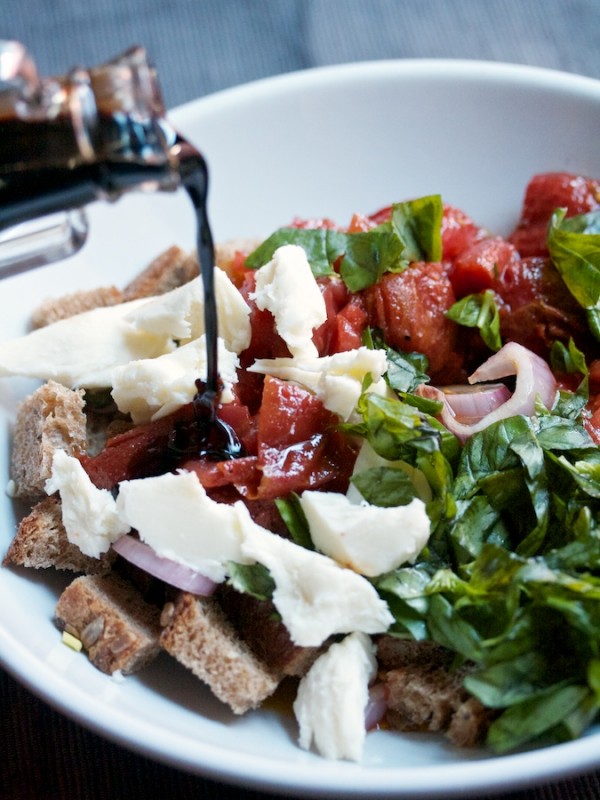
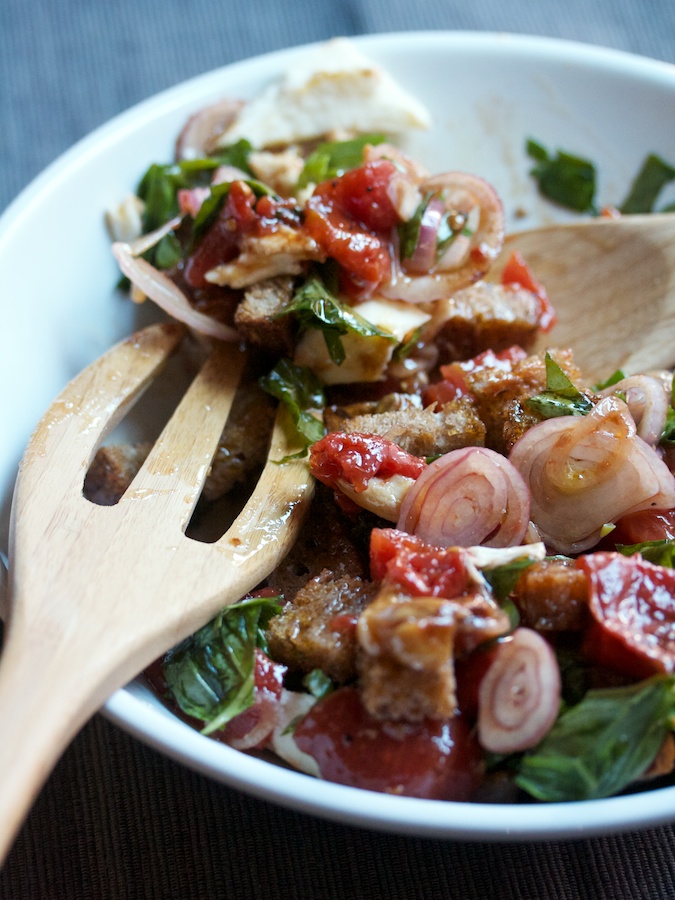
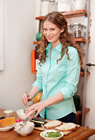
Our latest cooking project is canning. For the last two years, mom and I have had a date in September to can tomatoes, and this summer we’re aiming to preserve a little fruit, too. She also taught me to love simple things: grilled cheese, chef’s salads, black bean soup. Above is mom pictured making a summertime panzanella one day in the kitchen.

I know I’m a lucky gal to have grown up with a mom like mine, and it made me curious: what did your mom teach you about food, eating, and the kitchen? And, if mom didn’t show you how to cook, was there a mother-like figure who did?

P.S. Mom’s Hot Raisin Bread and Mom’s Chocolate Cake.