Brooklyn’s finest beverage, the egg cream, gets a boozy makeover with the addition of hazelnut-flavored liquor, Frangelico. The egg cream has a long and storied history in the very borough where I now live. That history includes neither cream nor egg.
I drank egg creams now and then as a kid, the granddaughter of a Brooklynite. At first, they’re a little disappointing. Where’s the egg, you wonder. Where’s the cream? Instead, there’s chocolate sauce, a little milk, and a huge fizzy pour of seltzer.
As you gulp down the drink-foam, milk, chocolate, and all-it becomes obvious why the egg cream is worthy of ingestion. It is the lightest of the sweet, cool drinks in the world-lighter than any milkshake or malted, lighter even than most smoothies. The foaminess created by the seltzer is as airy as an illusion, and because of the lightness, the grown-up me had no qualms about spiking the old egg cream with hazelnut-flavored liquor, Frangelico. We know from Nutella and this mousse that chocolate and hazelnut harmonize, and I wasn’t worried about bogging down my alcoholic beverage in the manner of some old cream punch. No, this is a refreshing afternoon sip, made at the moment when your thirst needs to be quenched in tandem with your sweet tooth begging for attention.
The Brooklyn Egg Cream is all about the method: the perfect pour of chocolate, which gets purposely left at the bottom, the new shot of booze in the form of Frangelico, the milk (only whole milk foams right - skip the low fat stuff), and the buzzy pop of the seltzer. Here’s how it’s done:
In the good old days, soda jerks pointed spritz seltzer bottles at the egg cream glasses to build up the foam without drowning the milk and chocolate in liquid. We now make do with regular seltzer, poured straight in from the bottle, but I still think it works enough to raise a glass to Brooklyn, to hazelnut liquor, to old-fashioned drugstore drinks. Cheers!
I wrote this sponsored post in partnership with Frangelico to share recipes for using the hazelnut liquor. Thanks for supporting the sponsors that help inspire BGSK’s content!
 packet (make that dressing!). The package of grated cheddar cheese.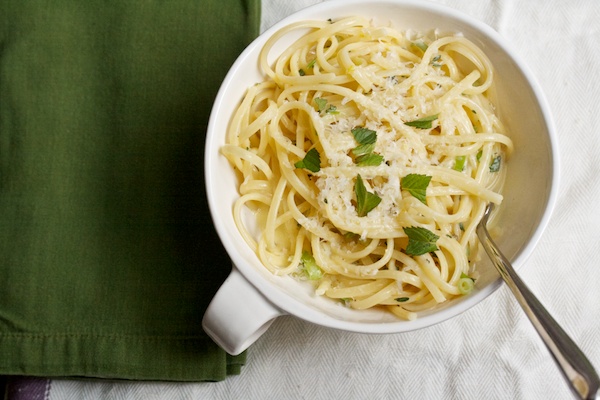
 , I realized it bore a similarity to one of the first dishes I ever got in the habit of cooking for myself, a pasta dish I wrote about in
  , which uses egg, yogurt, and pasta water to create a creamy, slightly tangy, no-cook sauce for pasta. In fact, one version of the soup actually has vermicelli noodles in it.